Case study
Haulit: Automating Delivery Orders and ePOD for Haulage Companies
Haulage & Proof of Delivery App
Client
UK haulage client
Role
Lead mobile engineer — driver app and accounting API integration
Timeline
Design through production release on the App Store
Platform
iOS & Android driver workflow + backend / API layer
Framework
Swift (iOS) + REST APIs
Category
Logistics / B2B SaaS / Field Service
3 links
Dispatch · ePOD · accounting
API
Sales & supplier invoices
Offline
ePOD capture & sync
Product tour
Drag or swipe through the camera scan, result, care, disease, and pest flows.
In-app screens · iPhone
Drag or swipe to browse screens
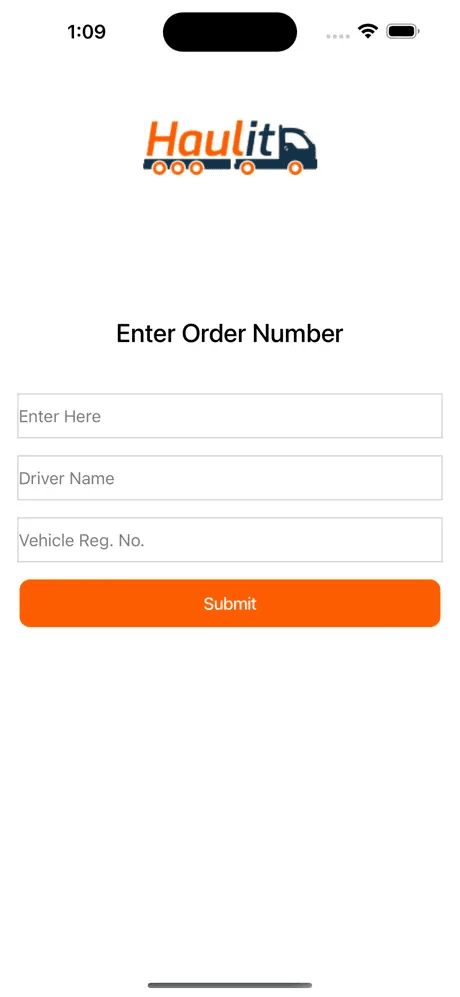
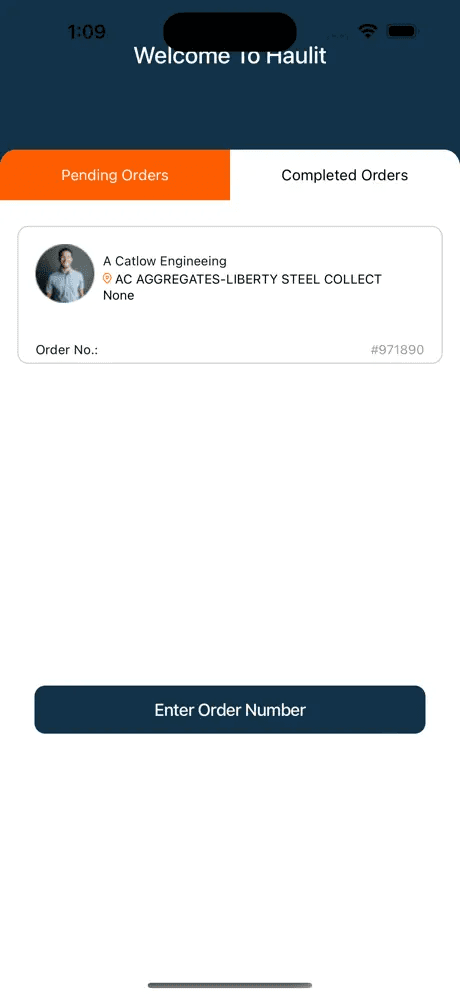
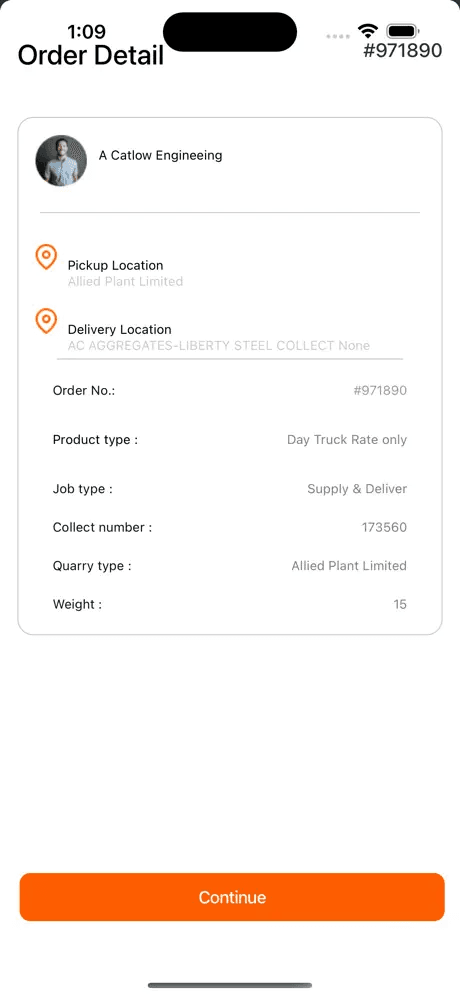
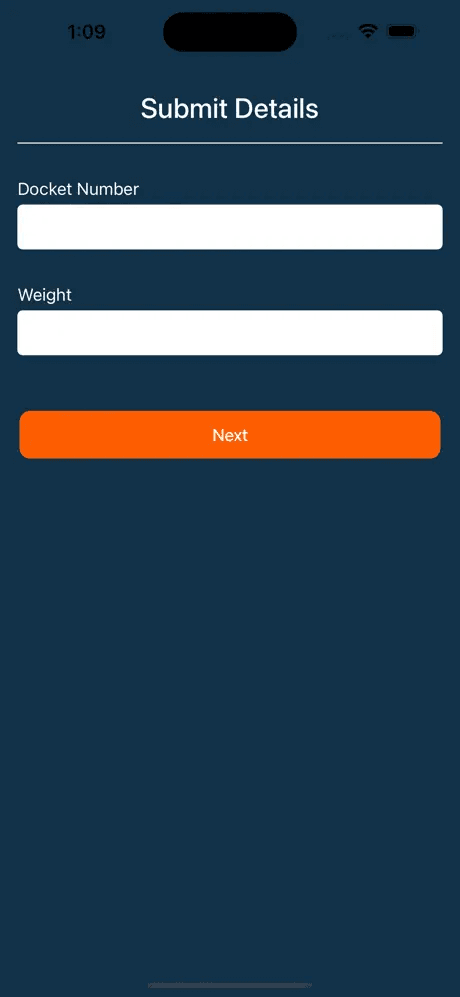
Driver app tour — enter order, pending queue, order detail with haulage metadata, and submit details (docket / weight) for ePOD continuation.
Overview
Haulage and delivery companies run on paperwork that shouldn't still be paper. A driver completes a delivery, gets a signature on a clipboard or a scrap of paper, drives back to the depot, and someone in the office manually types that information into accounting software — hours or sometimes days later.
Haulit was built to remove that entire manual chain. It's a delivery automation platform that sends drivers automated delivery orders on any Android or iOS device, captures Proof of Delivery (ePOD) digitally at the point of delivery, and pushes that data directly into the company's accounting software via API — automatically generating sales invoices, sales orders, and supplier invoices without anyone retyping a single line.
The problem
Talk to any haulage company's office staff and the same frustrations come up. The core issue wasn't that any single step was impossible to manage manually — it was that every step added delay, and delay compounds: late ePOD means late invoicing means late payment.
- Delivery orders communicated by phone, WhatsApp, or printed sheets — slow, and easy to lose track of
- Paper-based Proof of Delivery with delays getting records back to the office, and disputes hard to resolve without a clear digital trail
- Invoicing depended on someone manually re-entering delivery data into accounting software, often days after the actual delivery
- Cash flow suffered because invoices went out late, simply because the paperwork chain was slow
- No real-time visibility into which deliveries were completed, in progress, or still pending across the day
Designing Around the Whole Workflow, Not Just the App
Order creation & dispatch
Delivery orders generated manually or via integration and pushed automatically to the correct driver's device — with address, contact, goods, and special instructions in one place.
Driver execution & ePOD capture
The driver completes the delivery and captures proof digitally on-site in seconds — signature, photo evidence, and GPS-stamped timestamp bundled into one delivery record.
Automated invoicing
Completed delivery data flows via API into the company's accounting software, generating the correct sales invoice or sales order automatically and triggering supplier invoices where applicable.
Architecture & tech stack
Haulit is designed as one connected system across three points: the dispatcher creating the order, the driver completing it, and the accounting software that turns it into a paid invoice. Orders are assigned and pushed to the driver app; pending and completed lists give a live operational view; order detail surfaces pickup/delivery sites, product and job type, collect numbers, and weight. On completion, an internal normalized delivery record is mapped through an accounting abstraction layer so sales orders, customer invoices (with ePOD attached), and supplier invoices can be generated idempotently via API — with retry and status tracking so timeouts don't create duplicates or silent misses.
| Category | Tools / tech |
|---|---|
| Driver app | Native Swift / iOS field experience (driver workflow also designed for Android devices) |
| Backend / API | REST API integration layer connecting dispatch, ePOD completion, and accounting systems |
| Accounting integrations | API connections to major accounting platforms for automated sales orders, sales invoices, and supplier invoices |
| ePOD capture | Digital signature, photo evidence, GPS-stamped timestamp, plus job fields (docket number, weight, quarry/collect metadata) |
| Push notifications | Real-time delivery of new orders to assigned drivers |
| Offline support | Local ePOD capture with automatic sync when connectivity returns — critical for quarry and site deliveries |
| Distribution | Published on the App Store |
Key features
Automated delivery order dispatch
Orders land on the assigned driver's device with full delivery details — no phone calls, no printed sheets.
Engineering challenges & solutions
Solution
Built ePOD capture to work offline — storing the signed, photographed, timestamped record locally and syncing automatically when connectivity returns — so a dead zone at a quarry or site never loses a completed delivery.
Results
- Shipped on the App Store as Haulit for haulage / ePOD workflows
- End-to-end path from automated dispatch → digital ePOD → accounting API (sales orders, invoices, supplier invoices)
- Driver screens documented for the real UK haulage flow: order entry, pending queue, order detail, and submit details
- Office staff no longer wait on paper returning to the depot before invoicing can start
What I’d do differently
- I would build the accounting integration abstraction earlier — before the first platform — rather than refactoring into it after the first live connector.
- Offline sync conflict rules for edge cases (same order touched on two devices) deserve a dedicated design pass earlier.
- More on-site driver UX testing mid-build would have accelerated adoption of digital ePOD over paper habits.
Frequently Asked Questions
Building a logistics or field-service app with real accounting hooks?
Book a free consultation or message on WhatsApp — bring your driver workflow, accounting stack, and where paper still slows cash flow today.
Prefer a quick jump? Start on the ads landing page or return to portfolio.